
In theory, taking a cruise seems like a great idea for a family vacation. You get to see many different places, you enjoy the open ocean, and there are so many things to do onboard. But, that's what cruise lines want you to think. There are many things you don't see being advertised, like small rooms and crowded pools, to name a few. So, before you book your next cruise vacation, read our list, and then decide!
Boarding The Ship Is Not Like A Red Carpet Walk
Boarding a cruise ship may seem as glamorous as walking the red carpet, but the reality is often quite different and can be rather overwhelming. Imagine hundreds of passengers, each with their own luggage, converging at the same time to embark on their journey. The scene is bustling and chaotic, as everyone eagerly tries to get on board and find their cabins. The process can be stressful, with long lines and the challenge of navigating through the crowd.
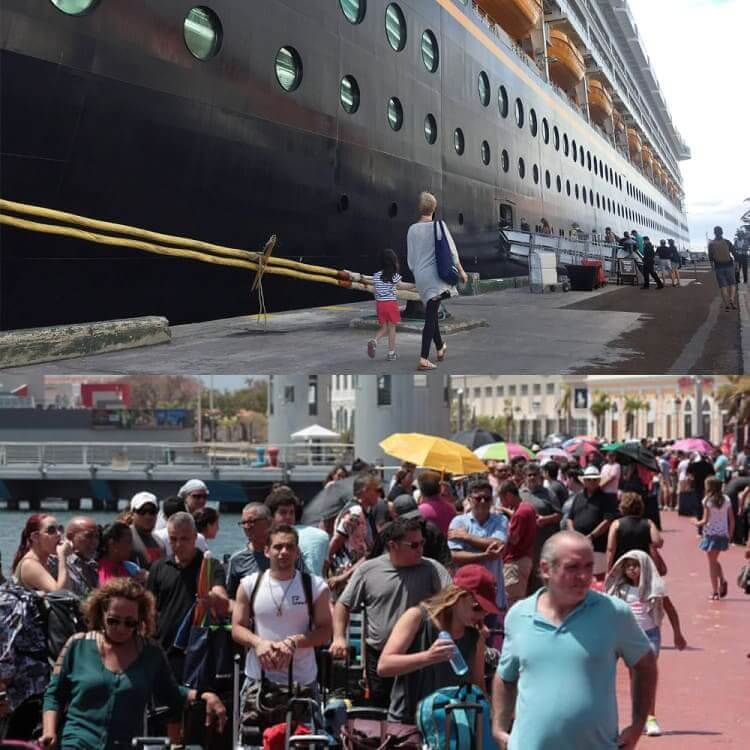
The dock looks like a great place for a photo-op, but it is not a great place to stop because everything is hectic, and people are not afraid to use their elbows.
The Hot Tub Is Not Private
After you've settled into your surroundings, there's no better way to relax than heading to the deck, where you can immerse yourself in the inviting warmth of the hot tub while taking in the breathtaking view of the ocean. This serene experience is highly sought after, and it's not uncommon for others to have the same idea. As a result, the hot tubs can quickly become crowded, with fellow travelers eager to enjoy the same soothing experience.
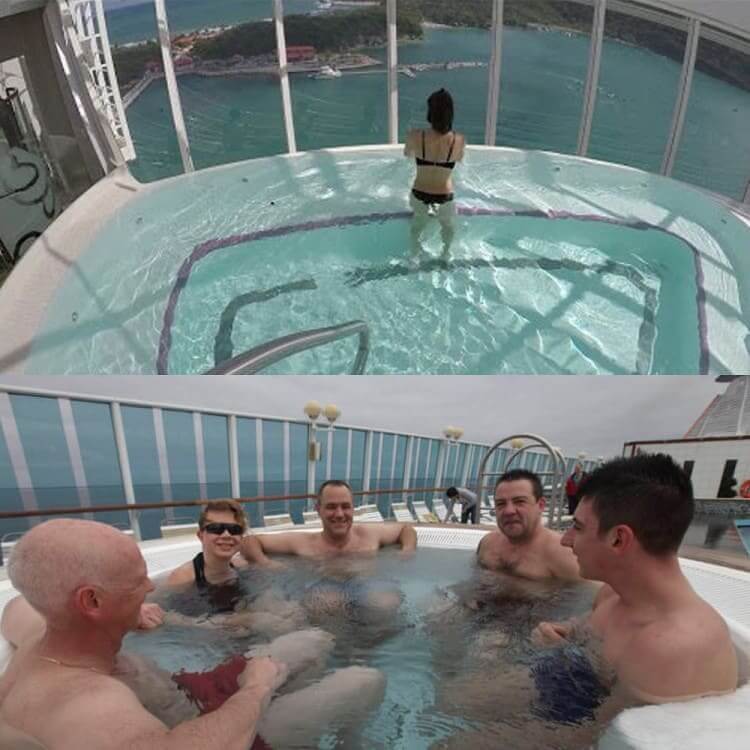
Despite the bustling atmosphere, the combination of the soothing water and the stunning ocean vista makes for an unforgettable experience. It is an interesting way to make some friends, but you might want to avoid the hot tub instead.
The Rooms Are Not As Spacious As They Said In On The Website
When you initially booked your cruise, you were likely filled with excitement and anticipation, envisioning the luxurious accommodations that were prominently featured on the cruise line's website. The images of spacious, elegantly designed rooms with grand views probably captivated your imagination. However, upon boarding the ship, you were met with a stark contrast to your expectations. Instead of the opulent room you imagined, you discovered a small, windowless cabin equipped with bunk beds, leaving you feeling disappointed.
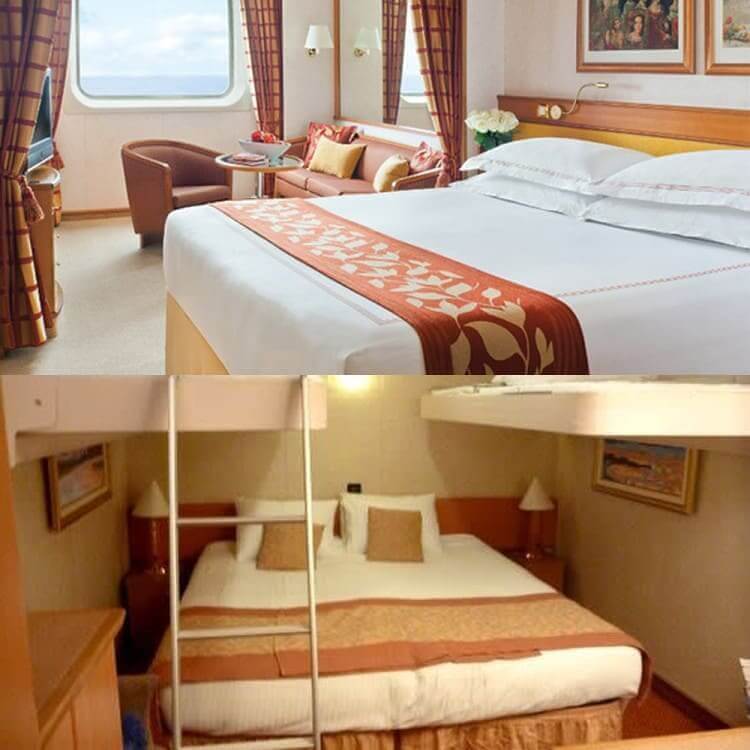
Yes, if you want to shell out tons of money, you can get a cabin with a balcony and modern features. Continue reading to find out what the bathrooms are really like in your "luxurious" cabin!
Under My Umbrella, Ella, Ella
When you're out in the middle of the ocean, the sun's rays can be incredibly intense. This often means that instead of gazing upon a vast, open deck with nothing obstructing the view, you are more likely to see a scene filled with umbrellas fully opened. These umbrellas provide much-needed shade for those on board, offering a respite from the sun’s powerful and relentless heat. But, depending on where you are on the boat, it can also ruin your view.
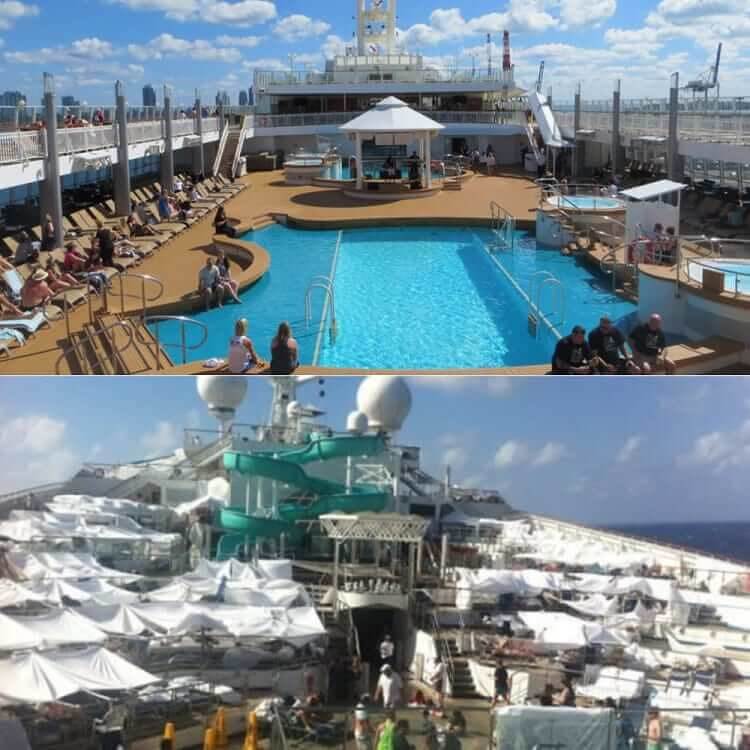
It might not look great, but hey, at least you will be protected from the harsh sun. Just don't set your expectations too high on the pool views for your next cruise trip.
The Bathrooms Might Be A Little Cramped
When stepping into the bathroom of a cruise cabin, guests might find themselves surprised by the compact size, which is often much smaller than anticipated. Unlike the spacious, luxurious bathrooms found in high-end hotels, these facilities lack gleaming marble surfaces and high-end finishes. Instead, they offer a more modest and functional design. Despite their size, these bathrooms are equipped to meet the basic needs of travelers during their journey.

Space is limited on the cruise, so they have to keep the bathrooms small. Again, if you have a luxury room, the bathroom is much nicer than the average cabin.
Good Luck Finding A Chair To Sit In
When you browse through stunning pictures of cruise ships, the main pool area often stands out as one of the most enticing and picturesque spots on the vessel. It beckons with promises of relaxation and sun-soaked leisure. However, once you embark on your cruise journey, you quickly discover that the pool area is a magnet for all the passengers on board. This results in an overcrowded space where finding an open chair can feel like a daunting task.
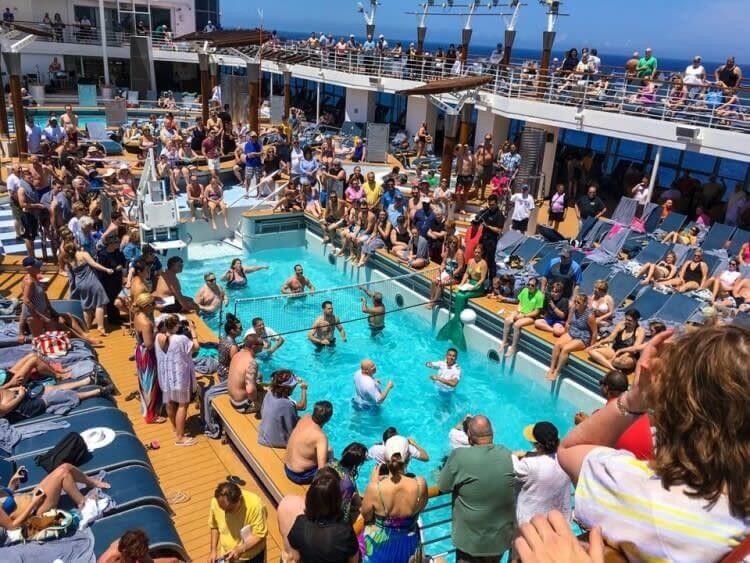
It goes from a relaxing vacation to music blasting and people yelling in a matter of minutes. Also, when the ship rocks, so does the water in the pool and it becomes a dangerous wave pool without a lifeguard.
"Did Someone Say Buffet?"
If you were envisioning elegant, white-glove service for every meal during your cruise, you might find yourself surprised by the reality. Typically, most cruise ships opt for buffet-style dining throughout the day. This approach allows them to efficiently serve the thousands of guests on board without creating long wait times. While it may not be the luxurious dining experience some anticipate, it is a practical solution to ensure everyone gets fed promptly.
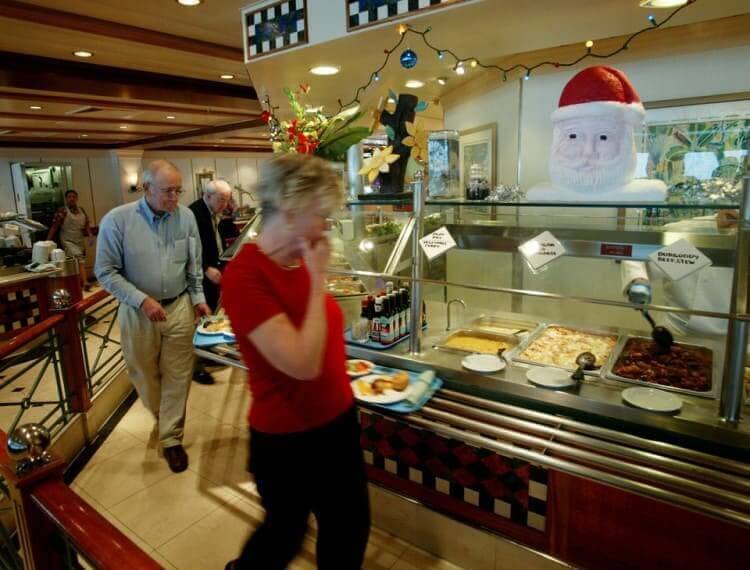
On luxury cruises, there are fantastic dining options that come with an additional cost. The food at the buffet is not bad; it is just not the five-star dining experience you were hoping for.
Cakes, Cakes, And More Cakes
Cruise ships are known for their extensive food and drink options, but these choices often lean towards the unhealthy side. Throughout the day, passengers have access to buffets that offer a variety of tempting yet calorie-laden foods such as burgers, fries, donuts, and cakes. These indulgent dishes are readily available, making it easy for travelers to overindulge. Additionally, the abundance of sugary cocktails adds to the unhealthy offerings, as many passengers enjoy sipping on these sweet beverages throughout their voyage.

This combination of rich foods and sugary drinks can make it challenging for health-conscious individuals to maintain a balanced diet while on board.
"Fine Dining"
If you've watched the film Titanic, you might anticipate that every evening aboard the ship involves passengers dressed in their finest attire, enjoying exquisite meals served on elegant china. Although there are indeed special evenings where everyone dons formal wear and indulges in a lavish five-course dinner, the reality of most nights is quite different. Typically, dining on the ship resembles the experience you would have at a popular chain restaurant, with a more casual atmosphere and menu.

This is not to say the food will be bad; it just won't be lavish like you had pictured. Also, be prepared for a packed and loud dining room.
This Is What They Call Relaxing
While the pool is often touted as one of the main attractions on cruise ships, it frequently falls short of being the tranquil oasis one might hope for. The allure of a refreshing dip is often overshadowed by the sheer number of people who have the same idea, transforming what should be a serene escape into a bustling hub of activity. The constant need to keep a watchful eye on children adds an extra layer of stress, as crowded pools can become perilous, especially for little ones.

The noise levels can be overwhelming, with the sounds of splashing, shouting, and laughter echoing across the deck. Lounging by the poolside, you might find it difficult to unwind, as the constant commotion can make even reading a book or enjoying a quiet conversation challenging.
Where Are The Dolphins?
Many people embark on cruises with the romantic notion that they will be accompanied by playful dolphins frolicking alongside the ship, or perhaps catch sight of majestic whales breaching the surface. However, the reality is often quite different. When cruising through the vast expanse of the open ocean, the likelihood of encountering sea creatures is surprisingly low. Marine animals generally steer clear of large vessels due to the noise and vibrations they emit.
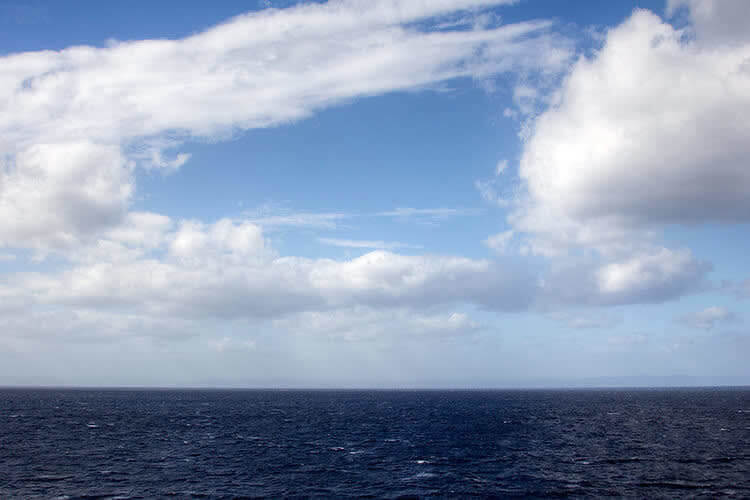
Consequently, passengers are more likely to find themselves gazing out at endless stretches of water. Don't be disappointed though; on the open ocean, you can see some of the most beautiful sunsets.
Working On A Cruise Will Be Fun, They Said
Working as a cruise ship employee might initially appear glamorous and exciting. However, the reality is far from idyllic. The work is often grueling, with long hours and demanding tasks that leave little time for relaxation. Accommodation is typically cramped, with cabins shared by multiple crew members, offering minimal privacy and personal space. Although the idea of traveling the world while earning a salary is appealing, the actual experience involves significant challenges.
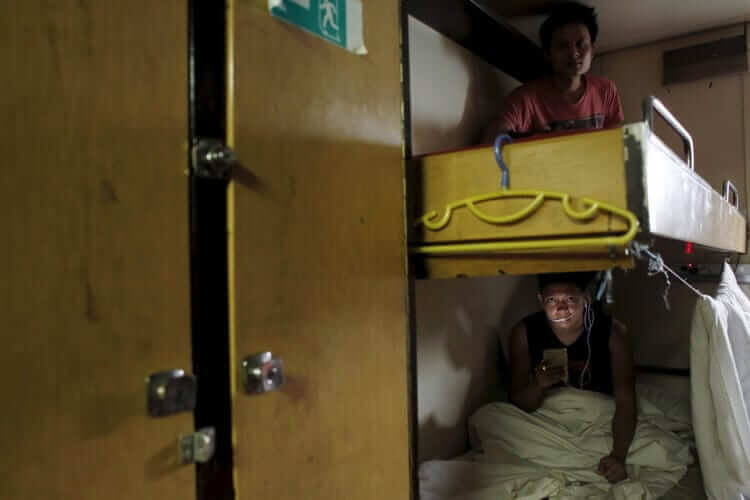
The job can be emotionally and physically exhausting, revealing that the life of a cruise ship worker is not as fabulous or fun as it may seem.
The Ports Might Not Look Like Instagram Photos
When you booked your cruise, you might have envisioned stepping off the ship and immediately being greeted by stunning beaches and postcard-perfect scenery. However, the reality is often quite different. The ports where cruise ships dock are primarily functional spaces designed for practicality rather than beauty. They are typically characterized by large cement structures and industrial facilities, with perhaps a few palm trees scattered around in an attempt to soften the stark appearance.
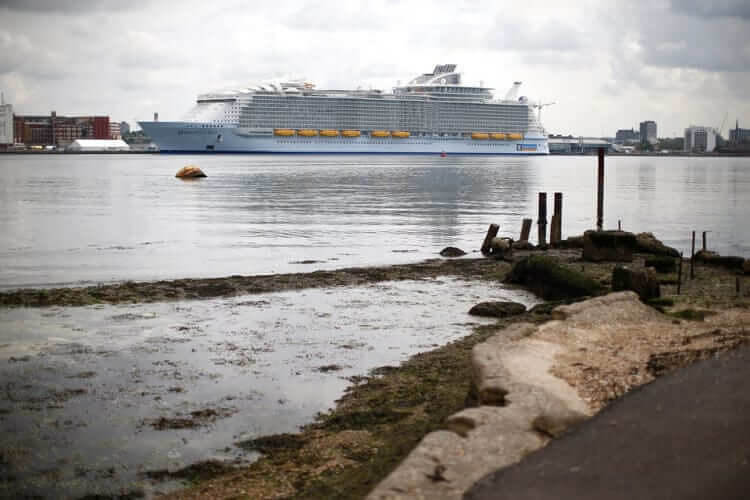
Once you get off the boat, there are plenty of places to see the beautiful scenery. Ports aren't meant to be the final destination, so it shouldn't really matter if it is pretty or not.
Your Luggage May Or May Not Be Lost
Much like the experience with airlines, the unfortunate reality is that luggage can also be misplaced or lost during a cruise. With thousands of passengers boarding the ship, each carrying multiple suitcases, the likelihood of a bag or two being left behind or lost in transit is not negligible. The bustling environment and sheer volume of luggage being handled increase the chances of such mishaps occurring. Consequently, travelers should be mindful of this possibility and take necessary precautions to safeguard their belongings.
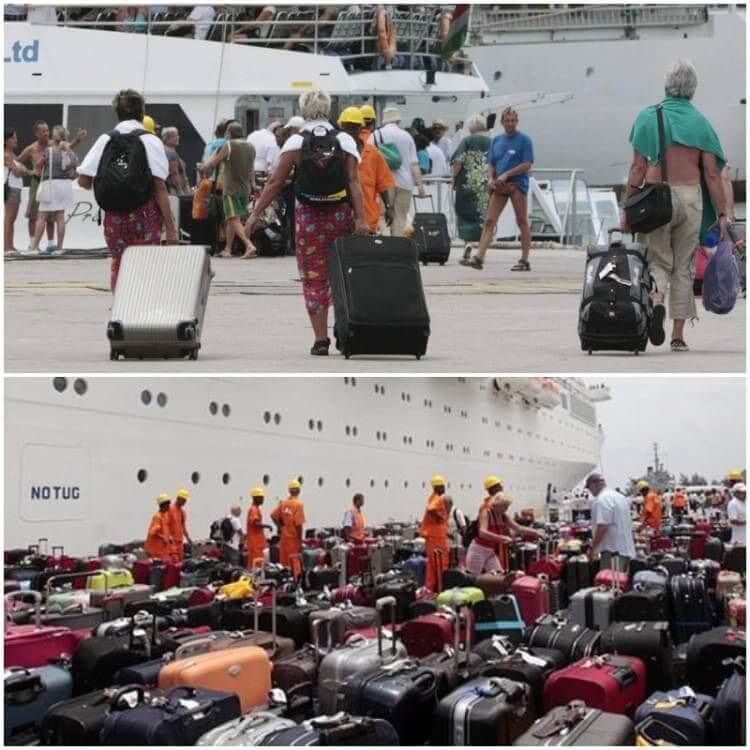
By being aware and prepared, passengers can mitigate the inconvenience and stress that may arise from misplaced luggage on their cruise journey. Luckily, most modern cruise ships are like floating malls. If your luggage is lost, you can go shopping for a whole new wardrobe!
Try Not To Get Cabin Fever
Avoiding cabin fever is important when embarking on a winter cruise from a northern port. The initial days of your journey are likely to be chilly, making it uncomfortable to lounge by the pool. Although there are numerous activities on board, they aren't available around the clock, so you'll need to find ways to keep yourself entertained during downtime. Your kids might express feelings of boredom, so it's wise to come prepared with cards and games.
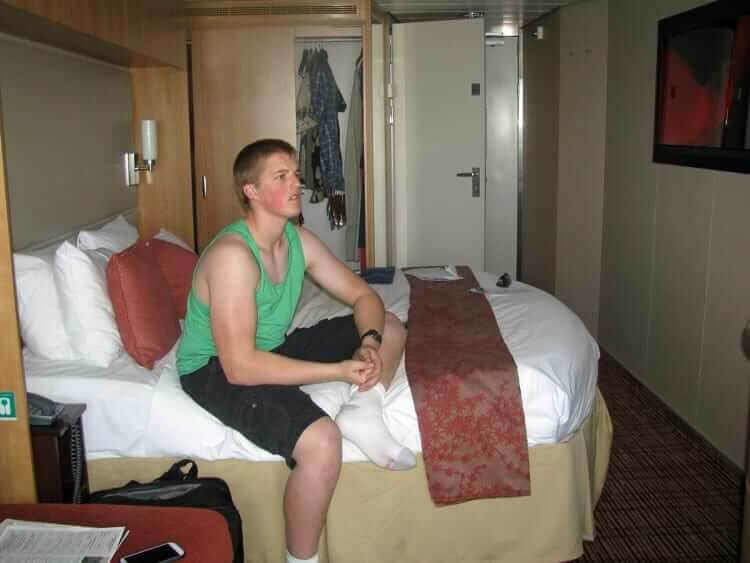
This way, you can ensure your family stays engaged and avoids cabin fever throughout the trip. Planning ahead with activities can make the experience more enjoyable for everyone on board.
"Shuffleboard Is Fun" - Said No One Ever
Despite its reputation, shuffleboard remains a staple activity on cruise ships, where it's often one of the few available pastimes. While some may argue that it's not the most thrilling activity, it offers a chance to socialize and enjoy the fresh air instead of being stuck in your cabin. Though you might find yourself spending a considerable amount of time waiting for your turn, the experience of being outdoors and engaging in light-hearted competition can be a pleasant way to pass the time.
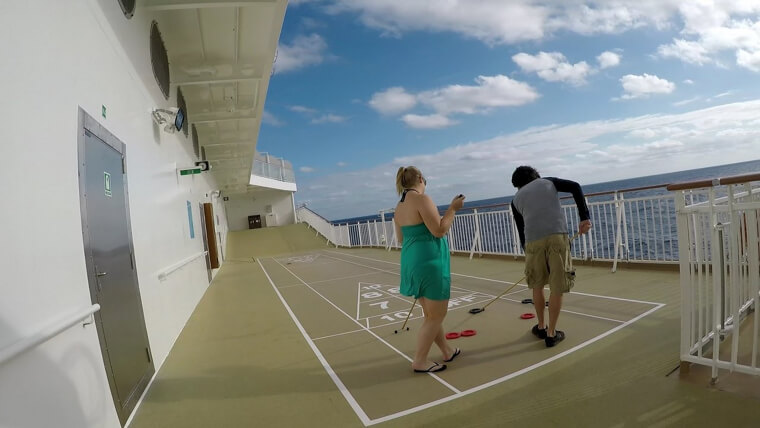
You might spend most of your time waiting for your turn, but at least you weren't cooped up in your cabin, making it a surprisingly enjoyable option for many cruise-goers.
Cue The Titanic Theme Song
A lot of individuals feel the urge to reenact the iconic "I'm flying" scene from the movie Titanic. This particular moment, where Jack and Rose stand at the ship's bow with their arms outstretched, has become a symbol of freedom and romance. However, we regret to inform you that trying to replicate this scene in real life may not quite match the magical and cinematic experience depicted in the film, potentially falling short of your expectations.
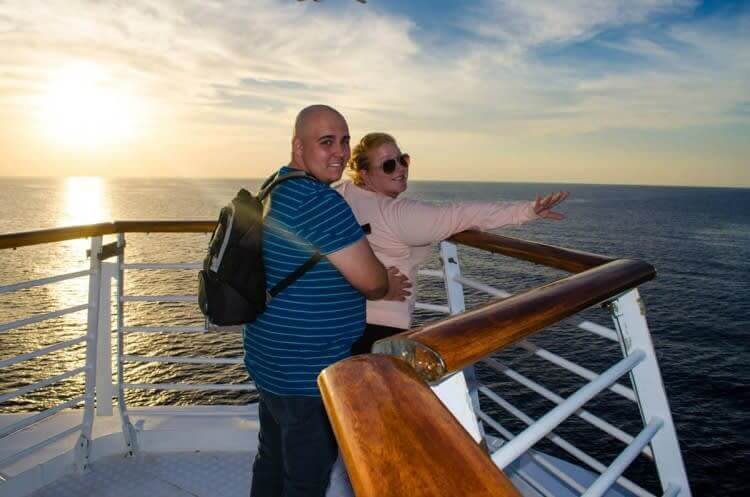
Some things are better left to the movies and your imagination. Feel free to try it, just don't expect to feel like Rose or Jack when you do.
"I Paid For An Ocean View"
When you decide to splurge on an ocean view cabin during a cruise, you might expect to enjoy stunning vistas of the endless sea right from your room. However, if you neglected to check the ship's deck plan carefully before booking, you might be in for an unpleasant surprise. Instead of the serene ocean views you anticipated, you could end up staring at a lifeboat blocking your view. In such a case, the extra money spent on securing a room with a balcony and a promised ocean view feels entirely wasted.
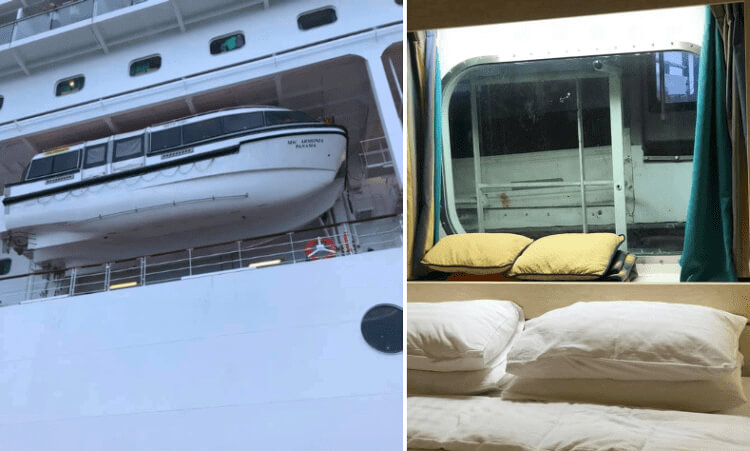
If you aren't planning to spend most of the time in your room, it is not a problem. It is just not something you want to wake up to every day.
When They Said The Entertainment is "Quality"
You might have seen your friend's cruise photos featuring a performance by Rascal Flatts, and now you're eagerly anticipating the entertainment lineup on your own cruise. However, it's important to manage your expectations, as cruise ship entertainment often doesn't feature high-profile acts. Instead, you're more likely to encounter a magician pulling rabbits out of hats or a group of enthusiastic guests belting out karaoke tunes. While these performances can be entertaining in their own right, they typically lack the star power and production quality of major concerts or Broadway shows.

So, while it's fun to dream about big-name performers, it's best to prepare for a more laid-back and informal entertainment experience on most cruises. After unlimited alcohol, people have no problem getting up in front of strangers to belt out "Girls Just Wanna Have Fun."
People Of All Ages
Cruises provide a delightful experience for individuals across various age groups, making them a popular vacation choice for many. Some cruises are specifically designed to cater to particular age demographics, offering activities and amenities tailored to those groups. However, if you book a standard cruise that welcomes guests of all ages, you can expect to encounter a diverse mix of young and older passengers. It's worth noting that unless you've chosen a cruise specifically aimed at younger travelers, a significant portion of the passengers will likely be 55 and older.
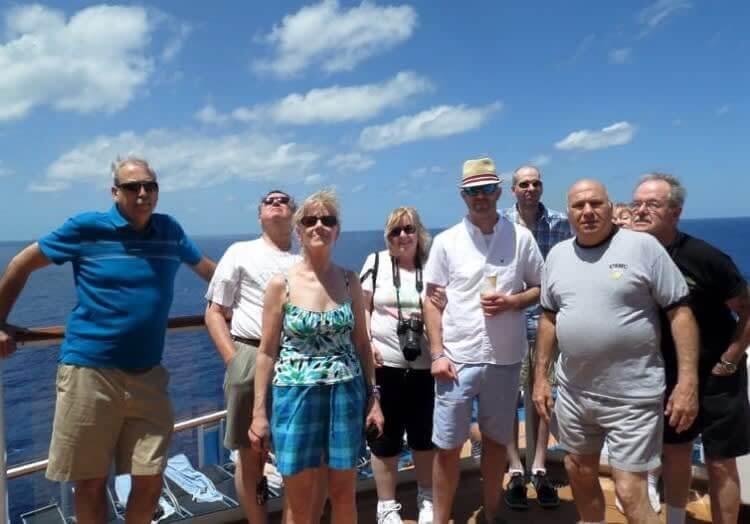
One of the benefits of having an older crowd is the generally quieter atmosphere, as these guests typically prefer a more relaxed and tranquil environment rather than partying late into the night.
The Beautiful Cruise Ship
Imagine stepping into the port with the anticipation of seeing a pristine ship, its exterior gleaming in immaculate white under the sunlight, only to be met with a vessel that doesn't quite match that picture-perfect vision. When a ship isn't fresh from the shipyard, it's inevitable that it won't maintain its original perfection. Constantly exposed to the harsh elements of the sea, the ship undergoes wear and tear with each journey it embarks upon.
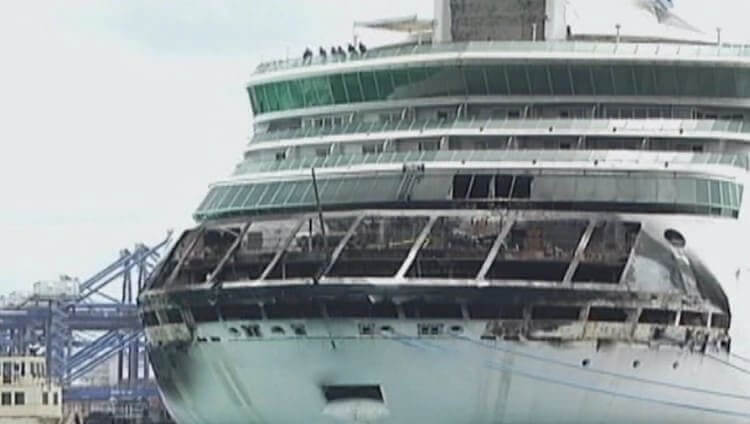
The saltwater, wind, and waves all contribute to the gradual fading of its initial brilliance, leaving it looking weathered and seasoned over time.
Endless Alcohol
"Shots, shots, shots, shots, shots." With an alcohol package, you can enjoy everything from mai tais to Pina Coladas, indulging in nearly any drink you desire. The endless flow of alcohol is thrilling until, after three days of non-stop drinking, the inevitable hangover hits hard. Though initially envisioned as a peaceful getaway, the abundance of alcohol often transforms the vacation into something akin to a massive frat party.

The lively atmosphere takes over, and what was supposed to be a serene escape quickly becomes a whirlwind of revelry and celebration, leaving little room for the relaxation you initially sought.
Scary Sailing
The weather conditions out at sea are in a constant state of flux. One moment, the sky might be clear and sunny, offering a serene and picturesque view of the horizon, and the next, dark clouds can gather rapidly, signaling the onset of a thunderstorm. These sudden changes are a normal occurrence in the vast and unpredictable maritime environment. When embarking on a cruise, it is essential to be prepared for a range of weather-related scenarios, from intense thunderstorms to turbulent waters that can make the ship sway and rock.
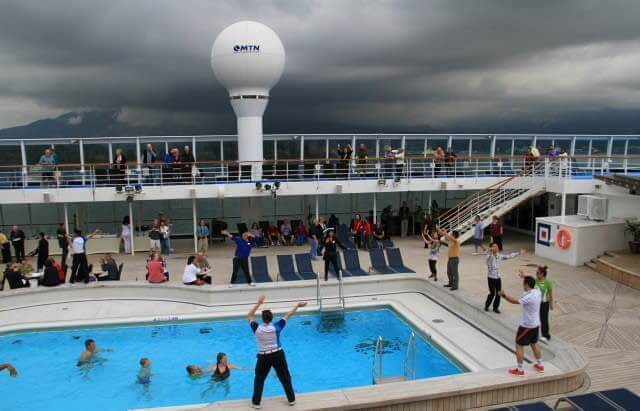
Thunderstorms, in particular, bring with them the potential for lightning strikes, which are not uncommon at sea. While modern cruise ships are equipped with advanced technology and safety measures to handle such events, ensuring that passengers remain perfectly safe, the experience can still be quite startling.
Mingling
"Hey ladies, do you come here often?" This is a typical line used by those seeking a cruise fling. Cruises often attract people looking to meet someone special, and the abundance of alcohol can boost courage. However, it's essential to focus on the primary purpose of your trip: enjoying quality time with friends and family. While meeting new people can be a fun part of the experience, the real joy of a cruise should come from relaxing.

It also comes from exploring new places and bonding with loved ones. Prioritize making lasting memories with those you care about, rather than just seeking fleeting connections.
A Swanky Casino
When you boarded the ship, did you anticipate discovering a Las Vegas-style casino? Usually, it's just a few card game tables and some slot machines. While it can still be an enjoyable activity, it might not match the grandeur of the swanky casino you envisioned. The onboard casino experience is often more modest than the lavish establishments found in Las Vegas. Despite this, it offers an entertaining diversion during your voyage.

The intimate setting allows for a relaxed gaming atmosphere, where you can enjoy classic games and try your luck at the slots, adding an element of excitement to your cruise.
Romantic Getaway
Cruises are highly popular among couples and honeymooners seeking a romantic getaway. They offer an escape from daily routines, promising quality time with your loved one. While you might dream of serene moments by the pool, the presence of families and lively youngsters can sometimes disrupt the tranquility. Despite not always meeting the romantic expectations you envisioned, a cruise still provides a refreshing break from the monotony of early mornings and work commitments.
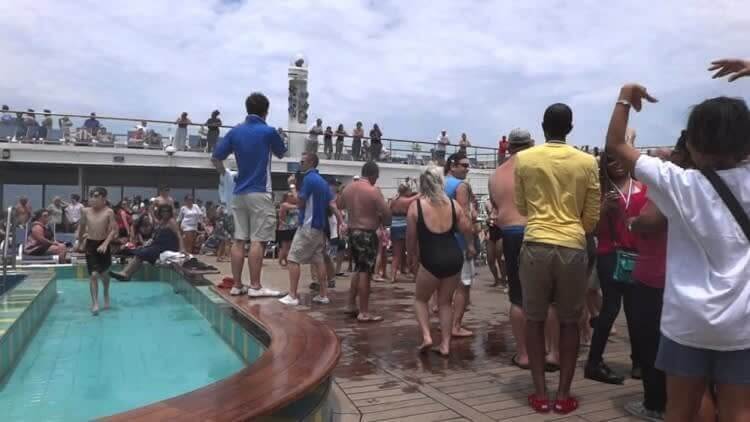
The experience, though different from your imagination, offers relaxation and adventure, making it a worthwhile alternative to the daily grind. It just might not be ideal for something as romantic as a honeymoon.
When They Run Out Of Deck Chairs
The main pool area fills up fast, and deck chairs are often in short supply, but that shouldn't deter you from savoring a cocktail under the sun. Unfortunately, enjoying this experience can be more challenging than anticipated. When the upper decks are packed and chairs are all taken, guests often resort to dragging mattresses from their rooms to soak up the fresh air. Surprisingly, tanning on a mattress might actually be more comfortable than using a deck chair.
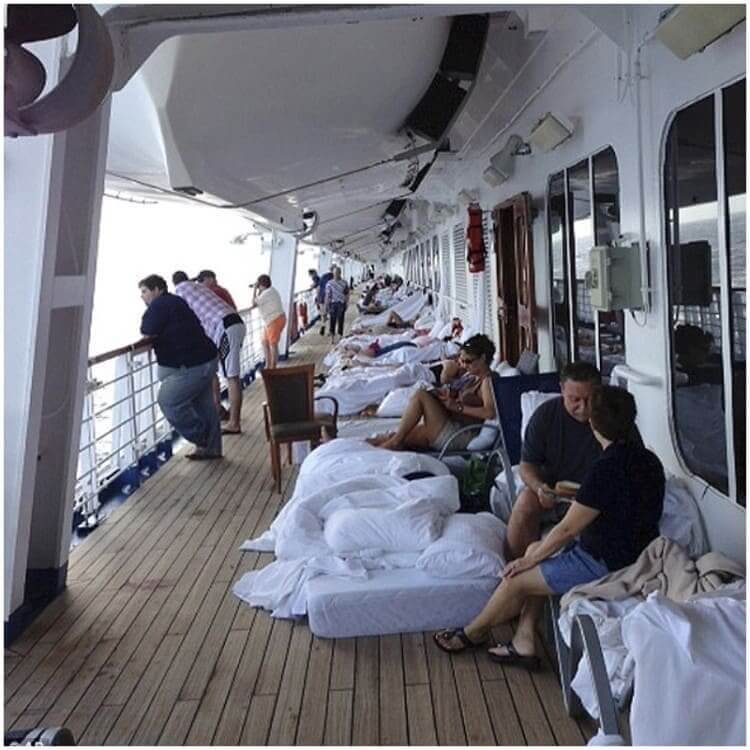
So, while it requires some improvisation, finding a way to relax and enjoy the sun is still possible despite the crowded conditions. It just might not be what you expected when you booked the cruise.
Perfect Weather
Cruises, while often associated with idyllic images of sunny skies and calm seas, do not always guarantee perfect weather throughout the journey. Unfortunately, despite the expertise and experience of the captain and crew, they have no control over the elements and cannot ensure that the weather will be ideal at all times. Passengers may occasionally encounter overcast skies, rain showers, or even rough seas, depending on the season and the region through which the ship is traveling.
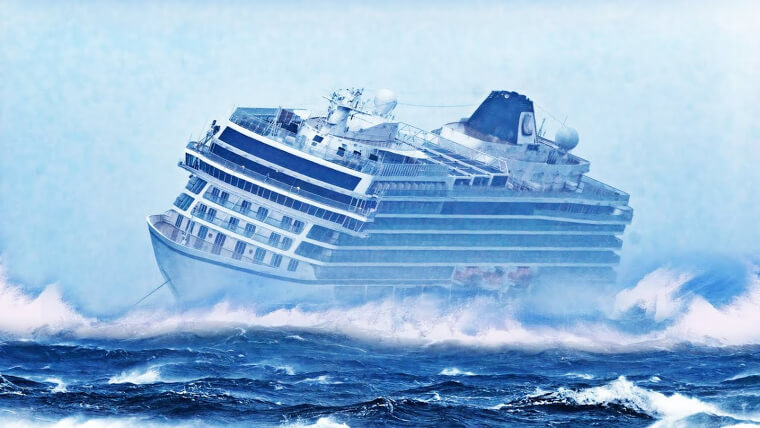
Sometimes, the ship will sail through a storm, which is why it is essential to make sure the boat has lots of indoor and outdoor activities for any weather.
Relaxing Beaches
Upon disembarking from the ship in a tropical paradise, you imagine yourself lounging under the shade of a swaying palm tree, feeling the warm sun on your skin and a gentle breeze that carries the scent of saltwater and exotic blossoms. However, as you make your way to the shoreline, you soon realize that you're not alone in seeking this idyllic retreat. Many fellow travelers, drawn by the allure of the same renowned beach, have made their way there as well.
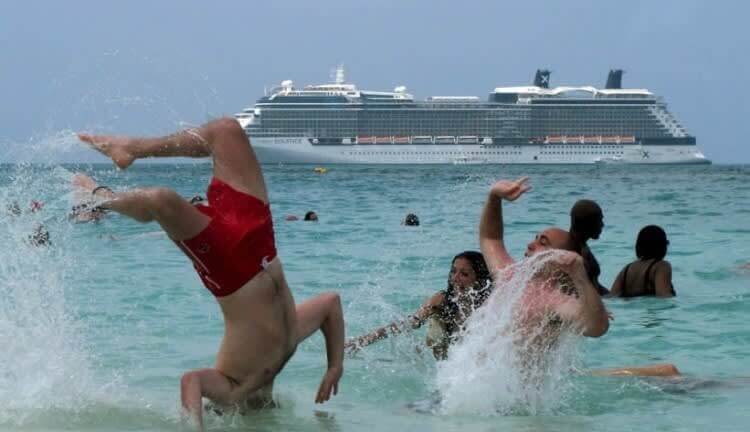
Consequently, the once peaceful beach quickly becomes a bustling hub of activity. Surprisingly, it might be a good time to have the ship's pool to yourself while the rowdy passengers are at the beach.
"Must Find Service!"
Many boats impose a fee for accessing their onboard Wi-Fi services, so if you're not inclined to pay, you might find yourself without internet connectivity while out at sea. However, this situation presents a unique opportunity to disconnect from the digital world and fully immerse yourself in the present moment. Embrace this chance to detox from your phone and savor the tranquility and beauty of your vacation experience.
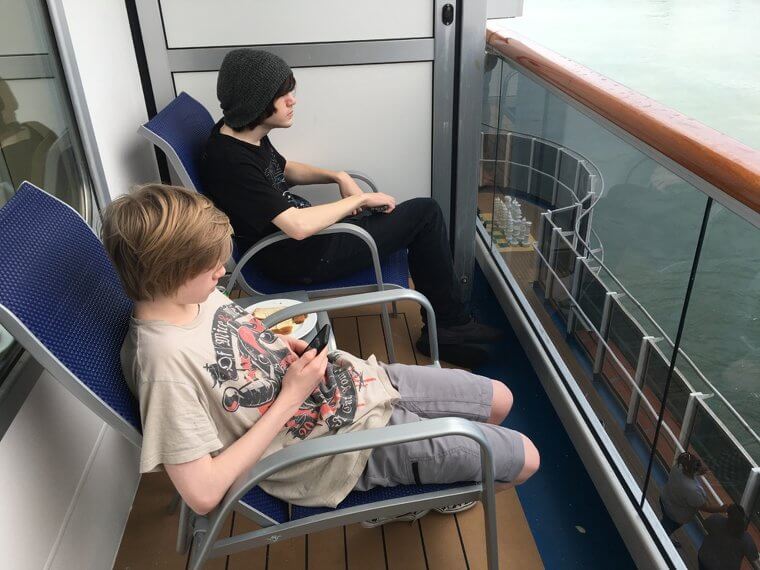
If you came with your family or friends it will be easier to spend quality time with them without the distraction of your phone.
Your First Day Is Spent Doing Emergency Drills
Think back to your school days when fire drills were a routine part of the experience. Well, cruises have a similar protocol! On the first day of your cruise adventure, much of your time is dedicated to boarding the ship, getting comfortable in your cabin, and participating in crucial emergency drills. These drills are mandatory for all cruises, ensuring that passengers are well-prepared and know exactly what to do in case of an emergency situation.
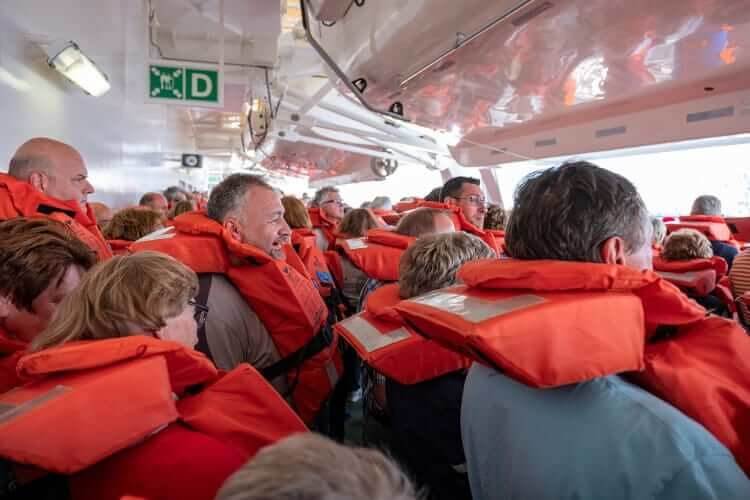
There are thousands of passengers on the boat, so these take a while to get everyone lined up and cooperating. It's just like grade school, only on a ship with thousands of strangers and louder alarms.
Flooding In The Halls
"Oh no, is the ship sinking?!" you exclaim, your voice tinged with panic. However, there's no need for alarm. It's quite common for the lower decks to experience some flooding when the seas are particularly rough. If this happens, water may seep into your room, but look on the bright side—you'll have your very own private pool right in the comfort of your cabin, offering a unique experience at sea.
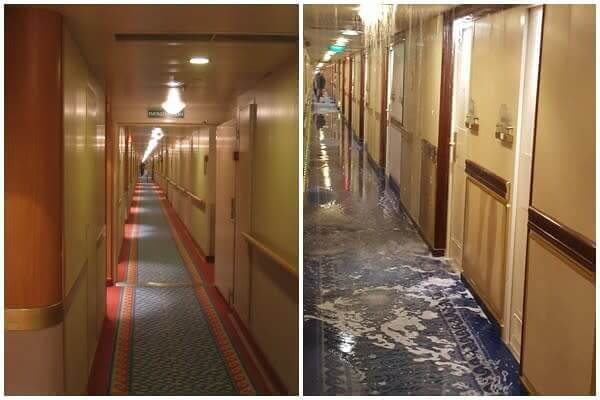
You might fear that you are going to be like Jack and Rose and have to decide who gets to lie on the piece of wood safely, but this is a common occurrence. Another reason to love cruises.
You Probably Won't Get To Meet The Captain
The captain holds a crucial and prestigious role on a ship, as they are responsible for its overall operation and navigation. While passengers on a cruise might imagine the captain casually strolling around, greeting everyone and enjoying the amenities, the reality is quite different. Most of the captain's time is dedicated to ensuring that the ship remains on its designated course and monitoring weather conditions to guarantee the safety and comfort of everyone on board.
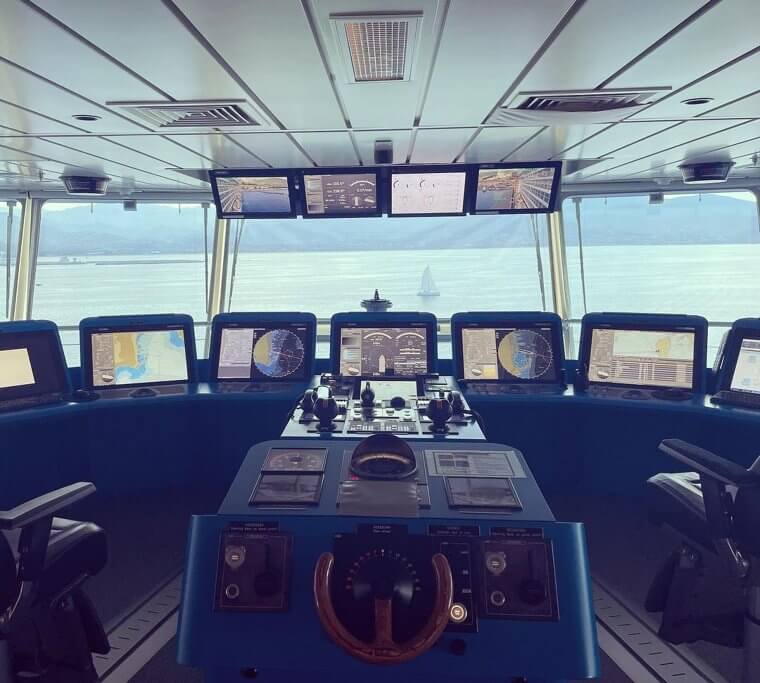
Wouldn't you be more concerned if the captain wasn't tending to the ship? Who else is supposed to steer the ship?
"Uh Oh, I Think I'm Going To Be Sick!"
Seasickness is indeed a genuine and often uncomfortable issue that many people face. While larger ships tend to offer a more stable ride, minimizing the swaying and pitching that can trigger this unsettling sensation, it is still entirely possible for passengers to experience the symptoms of motion sickness. This can include dizziness, nausea, and a general feeling of unease, as the body struggles to adjust to the ship's movements.
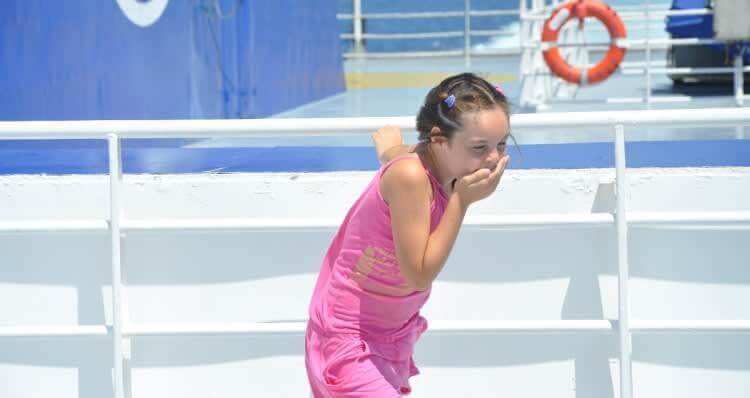
One of the best ways to combat this feeling is to stare at the horizon because it doesn't move and it can help you feel more stable.
The Boat Waits For No One
As you disembark from the ship, it's crucial to allocate ample time for your return to ensure you board before the vessel departs. Consider checking the schedule and setting a reminder, as the ship adheres strictly to its timetable and will not delay its departure for latecomers. Missing the boat can lead to significant inconvenience, so prioritize planning your return journey well in advance to avoid any mishaps.

In the unfortunate event that you miss the boat, it becomes your responsibility to devise a plan to reach the next port and successfully catch up with the group.
It's Like Contagion In Real Life
On a cruise, there are thousands of people confined to a ship for several days at a time, living in close quarters and sharing many common spaces. This close proximity means that if one passenger happens to fall ill, it is highly likely that the illness could spread rapidly throughout the ship. Consequently, a significant number of people may catch the illness, leading to widespread discomfort and concern among passengers and crew members alike.

It is common for flu outbreaks to happen on cruises causing the trip to end early. Try to keep your hands clean and sanitized, so you don't get sick onboard.
"Some one Who Loves Me Went On A Cruise And All They Bought Me Was This Stupid T-Shirt"
When you embark on a cruise, the destinations you typically encounter tend to be quite touristy, filled with bustling crowds and popular attractions. To truly uncover unique and exotic souvenirs that capture the essence of the local culture, you often need to venture beyond the well-trodden paths. This might involve exploring hidden alleys, visiting local markets, or engaging with residents to discover authentic keepsakes that reflect the area's true spirit.

The majority of the items you encounter will be cheesy or kitschy shirts and bags emblazoned with the phrase "I heart (insert location here)" in bold, eye-catching lettering.
"Hide Yo Kids, Hide Yo Wife, Hide Yo Wallet"
No matter where you travel or stay, there is never a complete guarantee that the staff will be entirely trustworthy. While many establishments strive to hire honest employees, there are occasional instances where crew members have been known to take items from guest rooms. Such unfortunate events highlight the importance of securing your valuables and remaining cautious, even in places that generally have a good reputation for security and customer service.

Fortunately, most rooms come with a safe in the closet. If you have any valuables that you want to leave in your room, make sure you lock them up for safe keeping.
"No Billy We Are Not Paying $40 For You To Take A Picture With A Monkey"
While relishing the many delights of your cruise, you may come across a range of additional expenses that can quickly add up. Beyond these costs, you might also find yourself spending a considerable sum on various high-priced excursions offered during your trip. These excursions are often crafted to elevate your travel experience and provide memorable adventures. They can encompass guided tours, thrilling activities, and distinctive cultural experiences at the ports of call.
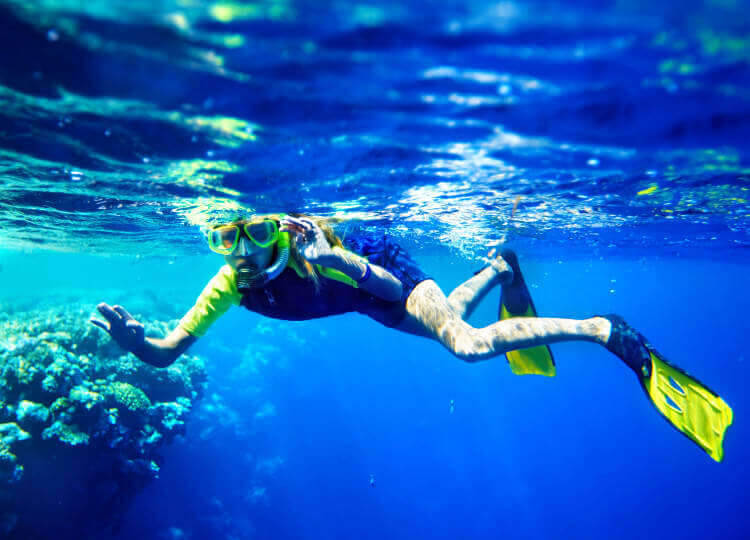
Depending on what you want to do, you could end up paying upwards of $100 per person. Do research before you book off-boat excursions to see if it is worth the extra money.
The Adventure Of Disembarking
Disembarking from the ship is an adventure in its own right, offering a unique blend of excitement and chaos. As soon as the ship docks, passengers eagerly gather their belongings and prepare to leave, creating a bustling and animated scene. The collective rush to exit all at once fills the air with a palpable sense of urgency, as everyone seems determined to be among the first to step onto solid ground. This eagerness often gives way to a sense of impatience, with travelers jostling for position.
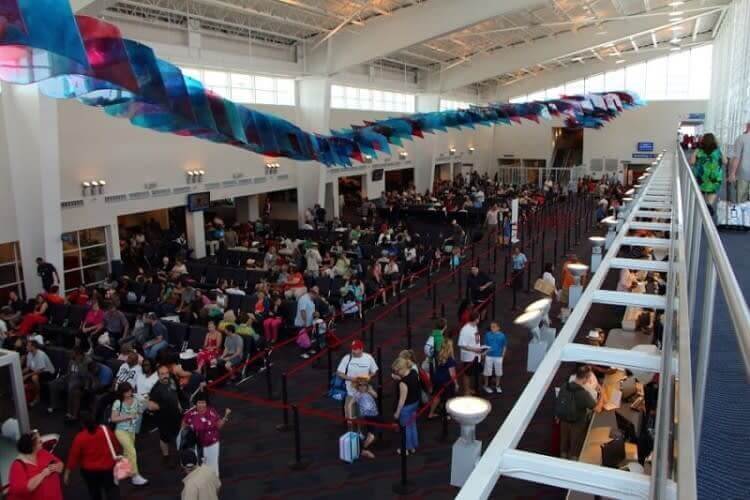
If you thought the process of boarding was thrilling, just wait until you experience the lively and sometimes frenzied atmosphere of disembarkation.